Exploring the Roman Empire with Kids
Best Sites Across Europe
Journey through history with your family as you discover the magnificent ruins and heritage sites of one of the world's greatest civilizations.
Explore Roman Empire Collection
Fascinating for All Ages
The Roman Empire stands as one of history's most influential civilizations, and exploring its remnants with your children opens a doorway to understanding the foundations of modern European culture, architecture, and governance. From the cobblestone streets of Rome to the dramatic ruins scattered across France, England, and beyond, your family can walk through 2,000 years of history and touch monuments that have witnessed the rise and fall of emperors, the clash of legions, and the daily lives of ordinary people.
Whether your children are budding archaeologists, history enthusiasts, or simply curious explorers, the Roman Empire offers authentic, hands-on learning experiences that transform history into an unforgettable family adventure.
The Roman Empire
27 BC to AD 476
The Roman Empire began in 27 BC when Octavian, later known as Caesar Augustus, established himself as the first emperor, ushering in nearly five centuries of unprecedented expansion and influence. What started as a city-state on the hills of the Tiber River grew into the most powerful empire the ancient world had ever seen, stretching from the Atlantic Ocean to the Euphrates River, encompassing millions of people across three continents.
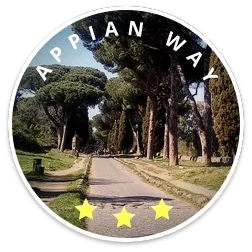
The empire's longevity and reach were due to several key factors: superior military organization, innovative engineering and infrastructure, a system of governance that adapted to local cultures, and the development of law and administration that still influence modern societies today. The Romans built roads, aqueducts, and monuments that have endured for millennia, creating a physical legacy that families today can still explore and marvel at.
Rome: The Eternal City
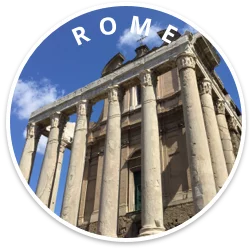
Rome was the heart of the empire and remains the greatest open-air museum of Roman civilization. During the height of the empire, Rome's population exceeded one million people, making it one of the largest cities in the ancient world. The city was a marvel of engineering and urban planning, with sophisticated systems for water delivery, waste management, and public transportation that astounded visitors from across the known world.
The period known as the Pax Romana, or "Roman Peace," particularly under emperors like Augustus and the early successors, brought unprecedented stability to the empire. This peace allowed for flourishing trade, the arts, literature, and philosophy. During this golden age, Rome built many of its most iconic structures—monuments that still stand today and that your family can visit and explore, creating a tangible connection to the lives of people who lived two thousand years ago.

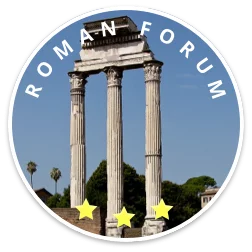
Rise of the Roman Empire
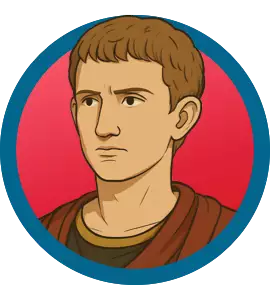
Octavian Augustus
Octavian, later known as Caesar Augustus, was the adopted heir of Julius Caesar and the first emperor of Rome. After winning a civil war against Mark Antony, he consolidated power and established the empire in 27 BC. Augustus was a visionary leader who reformed the military, administration, and infrastructure of Rome, setting the foundation for centuries of prosperity.
Under Augustus, the empire expanded significantly, and he initiated massive building projects that transformed Rome into a city of marble. His reign marked the beginning of the Pax Romana, a period of relative peace and stability that allowed the empire to flourish culturally and economically.


Hadrian
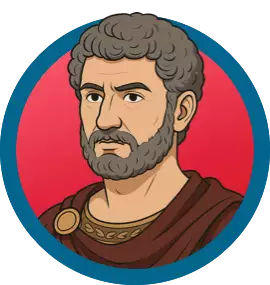
Hadrian (AD 76-138) was one of Rome's greatest emperors, known for consolidating the empire's borders and implementing a period of relative peace. Rather than expanding the empire further, Hadrian focused on strengthening existing territories and improving the lives of people across the empire.
He was a passionate Hellenophile who promoted Greek culture throughout the empire and commissioned many architectural marvels, including the Pantheon in Rome and Hadrian's Wall in Britain. His reign saw the empire reach its greatest territorial extent, and he transformed Rome into a cultural and architectural powerhouse.
Learn More About HadrianMarcus Aurelius
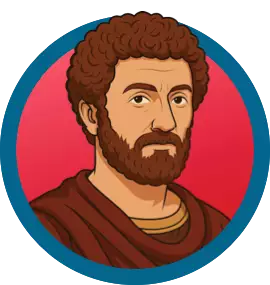
Marcus Aurelius (AD 121-180) was a Stoic philosopher and one of the "Five Good Emperors" who ruled during Rome's most prosperous period. He is remembered not just as a military leader, but as a wise and thoughtful ruler who sought to govern with virtue and wisdom.
Though he spent much of his reign defending the empire's borders against barbarian invasions, Marcus Aurelius maintained the stability and prosperity of the empire. His philosophical writings, compiled in a work called the "Meditations," offer insights into Roman thought and continue to influence philosophers and leaders today.

Experiencing the Roman Empire Outside of Italy
The reach of the Roman Empire extended far beyond Italy's borders. Across France, England, North Africa, and the Middle East, families can discover incredible Roman ruins that tell the story of how Rome's culture, engineering, and governance shaped entire regions. These sites offer a fascinating perspective on how Roman civilization integrated with local cultures.
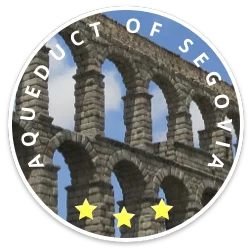
Alyscamp
Ancient Roman cemetery dating to the 4th century AD
Theatre of Fourvière
Built during the reign of Augustus
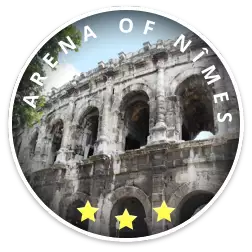
Arena of Nîmes
Amphitheater dating to AD 70
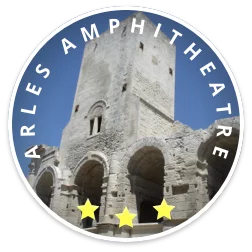
Arles Amphitheatre
Large amphitheatre from 90 AD
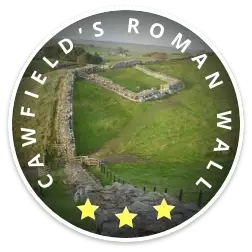
Hadrian's Wall
Constructed AD 122, spanning 73 miles
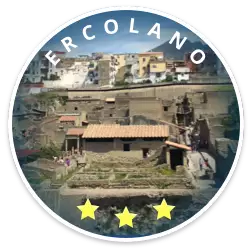
Ercolano
Ruins destroyed by Mount Vesuvius
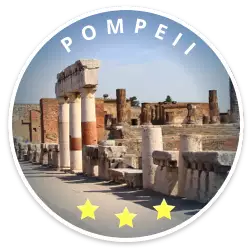
Pompeii
Buried under ash, discovered in 1748
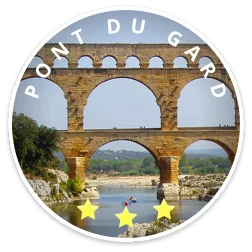
Pont du Gard
Ancient aqueduct, 50 km to Nemausus
The Fall of the Western Roman Empire
The fall of the Western Roman Empire in AD 476 was not a sudden collapse but rather a gradual decline resulting from a complex web of internal and external pressures. While the Eastern Byzantine Empire would continue for another thousand years, the Western half fragmented into various barbarian kingdoms, marking the end of ancient Rome's dominance in Europe and the beginning of the Medieval period.
Understanding the causes of Rome's fall helps us appreciate the challenges that even the mightiest civilizations can face. Several interconnected factors contributed to this decline:
- ✓ Military overexpansion and stretched resources
- ✓ Economic decline and inflation
- ✓ Political instability and civil conflicts
- ✓ Invasion by Germanic tribes and barbarian forces
- ✓ Division of the empire weakening central authority
- ✓ Rise of Christianity and shifts in cultural priorities
Despite Rome's fall as a political entity, its cultural, legal, and architectural legacy endured and shaped the course of European history. The sites your family can visit today stand as testaments to Roman ingenuity, resilience, and the enduring human quest to build something that lasts.
Exploring History as a Family
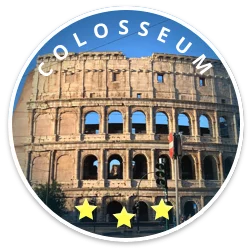
Visiting Rome and other Roman sites was a transformative experience for our family. Walking through the same streets where emperors once ruled, seeing the Colosseum still standing after two millennia, and imagining the daily lives of people who lived so long ago—these experiences create lasting memories and spark curiosity about history that extends far beyond textbooks.
We believe that travel is one of the greatest teachers, and exploring the Roman Empire with your children is an investment in their education and their sense of wonder about the world.
Interested in more historical destinations? Check out our other guides: