Black History in America
Learn About the People, Places, and Events That Shaped the Nation
Understanding Black history is essential to understanding American history. From courageous abolitionists who fought against slavery to civil rights leaders who demanded justice and equality, Black Americans have shaped the nation's values, culture, and progress. This page celebrates the remarkable people, places, and events that have defined Black American experiences and continue to inspire people around the world.
Important Figures in Black History
Discover the lives and legacies of inspiring leaders who changed America
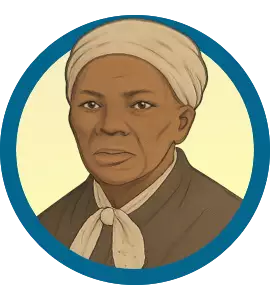
Harriet Tubman
A leading abolitionist who escaped slavery and led dozens of enslaved people to freedom on the Underground Railroad.
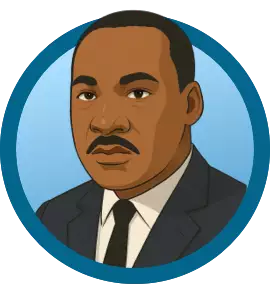
Martin Luther King Jr.
A civil rights leader whose speeches and nonviolent activism inspired a national movement for justice and equality.
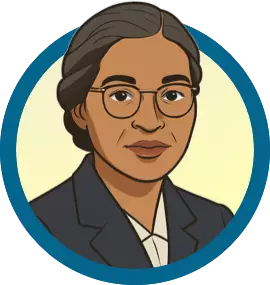
Rosa Parks
Her refusal to give up her bus seat sparked the Montgomery Bus Boycott and helped ignite the civil rights movement.
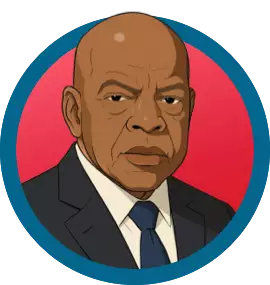
John Lewis
A Freedom Rider, SNCC leader, and long-time congressman who fought for voting rights and human rights.
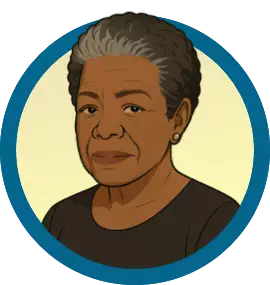
Maya Angelou
Poet, author, and activist whose writing and storytelling continue to inspire people around the world.
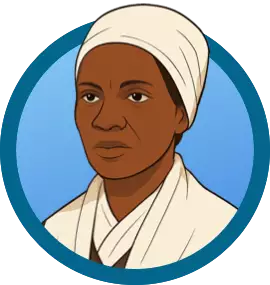
Sojourner Truth
An abolitionist and women's rights advocate known for her courage and powerful voice against injustice.

Malcolm X
An influential activist and speaker who championed Black empowerment and self-determination.

Nelson Mandela
A global symbol of resistance who fought apartheid in South Africa and became the nation's first Black president.
Places & Events That Shaped History
Visit these historic sites to experience the legacy of Black American achievement
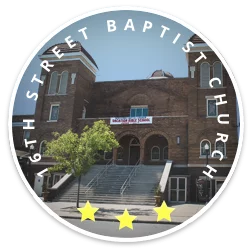
16th Street Baptist Church
Organizational headquarters for the Civil Rights movement in Birmingham, Alabama.
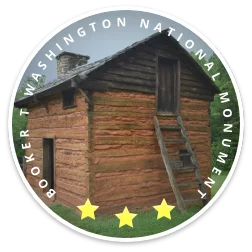
Booker T. Washington National Monument
Learn about the life and times of this dominant 19th century African-American leader.
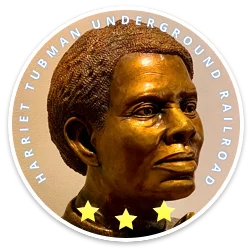
Harriet Tubman Underground Railroad
Explore the life of abolitionist and political activist Harriet Tubman.
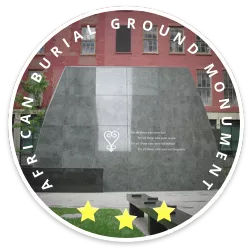
African Burial Ground National Monument
The largest colonial-era cemetery for people of African descent.
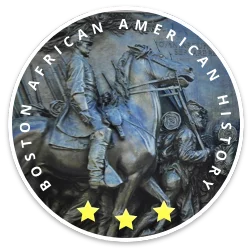
Boston African American National Heritage Site
The Beacon Hill African-American community in Boston that led the fight against slavery.
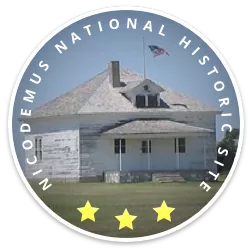
Nicodemus National Historic Site
Founded in 1877, the historic site preserves the once bustling African American town.
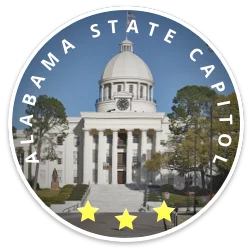
Alabama State Capitol
The third Selma to Montgomery march ended here with a speech from Martin Luther King Jr.

Brown v. Board of Education National Historic Site
Learn about the landmark decision that ended racial segregation in public schools.
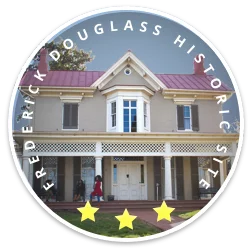
Frederick Douglass National Historic Site
Visit the home of one of the most prominent abolitionists and social reformers in American history.

Tuskegee Airmen National Historic Site
Honor the first Black military pilots who broke racial barriers during World War II.
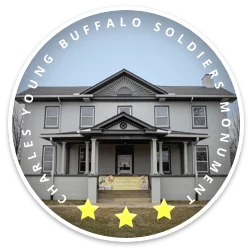
Charles Young Buffalo Soldiers National Monument
Celebrates Colonel Charles Young, one of the first African American military officers and a leader of the Buffalo Soldiers.
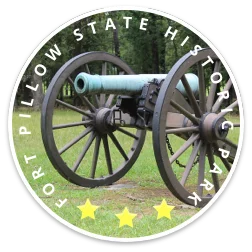
Fort Pillow State Historic Park
Site of the 1864 Civil War battle where Confederate forces attacked a Union garrison defended by Black soldiers.
The Tulsa Race Massacre of 1921
The Tulsa Race Massacre was one of the worst incidents of racial violence in American history. In 1921, a thriving African American community in Greenwood, Tulsa, Oklahoma—known as "Black Wall Street"—was destroyed by a white mob over the course of two days. Hundreds of Black residents were killed, and the entire neighborhood was burned to the ground.
Despite its significance, the event was suppressed and forgotten for decades. Today, the Greenwood Cultural Center and various memorials work to preserve this history and ensure that the resilience and achievements of the Greenwood community are remembered for future generations.
Learn More About Tulsa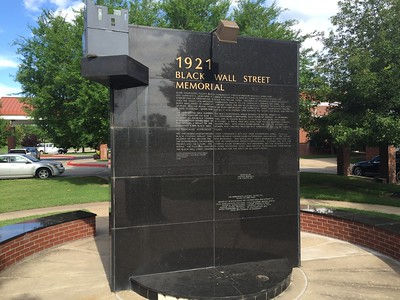
Museums & Learning Centers
Visit these museums to deepen your understanding of Black American history and culture
African American Museum
Dallas, Texas
African American Museum in Philadelphia
Philadelphia, Pennsylvania
African-American Panoramic Experience Museum
Atlanta, Georgia
Birmingham Civil Rights Institute
Birmingham, Alabama
Black American West Museum
Denver, Colorado
Black History Museum of Virginia
Richmond, Virginia
Charles H. Wright Museum
Detroit, Michigan
DuSable Museum
Chicago, Illinois
International Civil Rights Center & Museum
Greensboro, North Carolina
Museum of African American History
Boston, Massachusetts
Museum of the African Diaspora
San Francisco, California
Natchez Museum
Natchez, Mississippi
National Civil Rights Museum
Memphis, Tennessee
National Great Blacks in Wax Museum
Baltimore, Maryland
National Underground Railroad Freedom Center
Cincinnati, Ohio
Negro Leagues Baseball Museum & National Jazz Museum
Kansas City, Missouri
New Orleans African American Museum
New Orleans, Louisiana
Reginald F. Lewis Museum
Baltimore, Maryland
Start Exploring Black History Today
Plan your family trip to historic sites and museums. DuckAbroad makes it easy to discover meaningful destinations and create unforgettable memories together.
Get Started Today